Flower Mold: A Decorative Typeface for Handmade Product Design
The moment I printed my first candle label with Flower Mold, I knew I had found something special. I was sitting at my desk, a stack of kraft paper tags beside me, a freshly poured soy candle cooling on the shelf. The font’s delicate, botanical curves wrapped around the words “Lavender & Sage” like vines climbing a trellis. It was exactly the look I wanted—graceful, handmade, and quietly elegant. For anyone creating physical products, printables, or shop materials, Flower Mold brings that same sense of crafted beauty to every project.
Seeing the Charm of Flower Mold
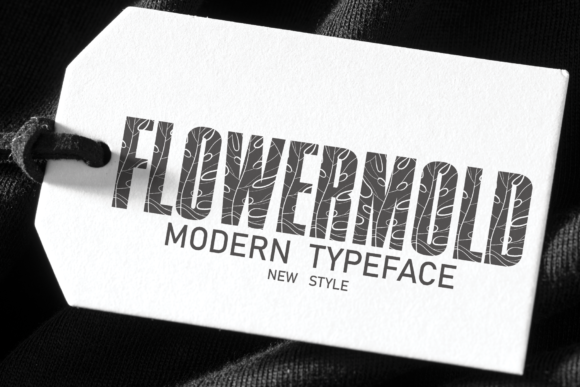
Flower Mold is a decorative display typeface with a personality that feels both modern and vintage. Its letterforms are soft, slightly playful, and inspired by natural shapes—think petals, stems, and gentle flourishes. The font sits comfortably in the Decorative category, making it ideal for projects where visual impact matters more than dense readability. It whispers rather than shouts, which is exactly what you want for wedding invitations, boutique tags, or farmhouse signs. The weight is consistent enough to work on small stickers or cards, but the charm really shines in titles, names, and short phrases.
I first tested it on a set of small circle labels for my candle line. The uppercase letters felt confident on the curved surface, and the lowercase kept the friendly, approachable tone customers love. Even on a 2-inch circle, each character held its detail without becoming muddy. That’s a sign of a well-crafted font: it keeps its personality at any size.
Bringing Flower Mold to Life on Labels and Packaging
For handmade sellers, packaging is part of the product. A beautiful label can turn a simple jar of bath salts into a gift-worthy treasure. I’ve used Flower Mold for product names on candle labels, ingredient lists on small apothecary bottles, and even batch numbers on soap boxes. The font pairs beautifully with a clean sans-serif like Montserrat or Lato for the smaller, informational text. That contrast—decorative headline, simple body—creates a professional, layered look that customers recognize as quality.
Sticker sheets are another natural home for this typeface. I designed a sheet of planner stickers with floral motifs, using Flower Mold for the days of the week and monthly headers. The letters are wide enough to cut cleanly with a Cricut Maker, and the curves don’t create fragile narrow points that tear on delicate vinyl. For cutting machine users, I recommend testing a small sample first, especially for fine swashes or alternates. In my experience, the font’s standard characters cut cleanly on permanent adhesive paper and removable vinyl alike.
Wedding Invitations and Stationery That Feel Personal
One of the most satisfying projects I’ve tackled with Flower Mold was a friend’s wedding invitation suite. We used the font for the couple’s names on the main card, a slightly larger size on the “Save the Date” magnet, and added a matching monogram for the envelope liner. The decorative nature of the typeface made every line feel intentional, like calligraphy that had been carefully placed. For the reception details and RSVP card, we switched to a simple handwritten font—something airy and light—so the eye would rest between the bolder phrases.
If you create invitations as a printable seller or stationery designer, Flower Mold works beautifully for couples’ names, event titles, and short romantic phrases. It fits both rustic barn weddings and modern garden parties. I’ve seen it used on welcome boards, seating charts, and even bridal party gifts. The emotional appeal is immediate: the font looks like it was drawn with love, not typed.
Printable Wall Art and Home Decor
Digital printables are one of the easiest ways to start selling with Flower Mold. I designed a set of farmhouse-style prints with the words “Grow Where You Are Planted” and “Let Love Grow.” The font’s organic curves turned those phrase into art pieces that felt like custom lettering. I printed them on textured cream cardstock and placed them in simple wooden frames. Even as digital downloads, customers expect the same visual quality, and Flower Mold delivers without needing heavy editing or extra effects.
For wall art, the font works best on short quotes or single words. Longer sentences can be tricky because decorative fonts often have less flow when stacked. I recommend keeping lines between 4–6 words max, and using a larger font size for readability from across a room. If you’re selling editable templates on Etsy, include a guide font suggestion for the buyer’s subtitle—something like a thin serif or sans-serif that balances the decorative headline.
Seasonal Craft Projects and Holiday Tags
Every year, I refresh my holiday tags and packaging. Last winter, I used Flower Mold for “Merry & Bright” on a set of gift tags tied with twine. The letters felt festive without being overly Christmasy, which meant I could also use the same design for a winter wedding favor. For fall, I tested it on pumpkin-shaped tags with the word “Harvest.” The curves matched the organic shape of the tag itself. Seasonal craft designs are a huge category for small shops, and a versatile decorative font like Flower Mold can carry you through Valentine’s Day, Easter, Mother’s Day, and beyond.
Mugs and t-shirts are another avenue. I’ve sublimated Flower Mold onto white ceramic mugs with a floral motif, and the text stayed crisp even after many dishwasher cycles. For apparel, the font works best on the center of a shirt or tote bag, in a single line or stacked vertically. Because it’s a display font, keep the phrase short—names, words, or a short slogan. Anything longer than six words starts to lose the decorative charm.
Readability and Cutting Machine Considerations
When you’re preparing files for print or cut, readability is key. Flower Mold is not designed for long body text; its charm comes from slowing the reader down and drawing attention to each letter. For product labels, use it for the product name, brand name, or a decorative subtitle. For ingredients or instructions, pair it with a simple serif or sans-serif. I often use a font like Open Sans or Roboto for the back label, keeping Flower Mold for the front-facing tag where it can shine.
For Cricut and Silhouette users, test the font at your intended cut size. I’ve found that sizes above 1.5 inches (36pt) cut cleanly on most materials. Smaller sizes can cause thin strokes to tear, especially on glitter vinyl or thick cardstock. If you need to cut tiny tags, consider using a bolder style or enlarging the design. Swashes and alternates can add beautiful flair, but they may require a closer cut setting or a weeding pen.
Included Styles and Licensing
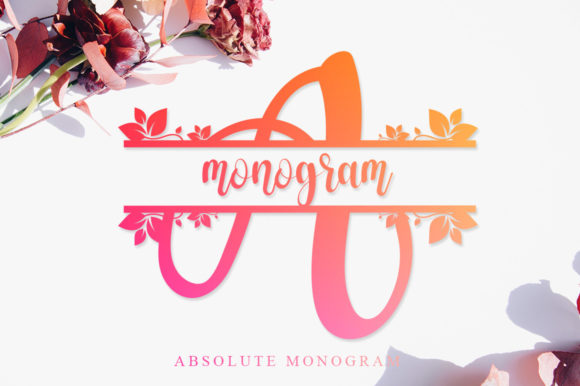
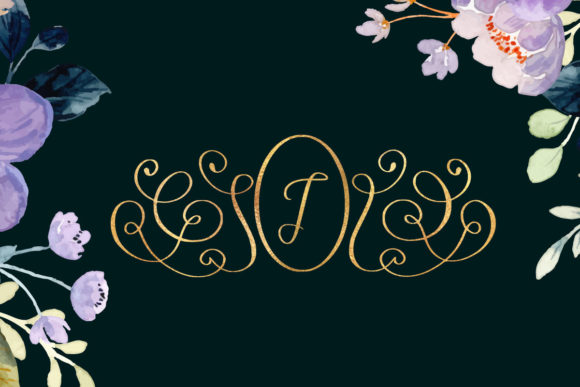
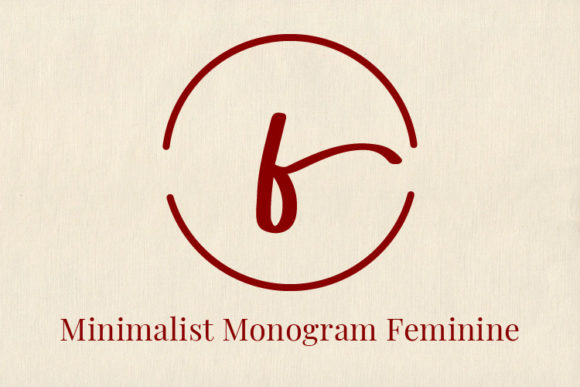
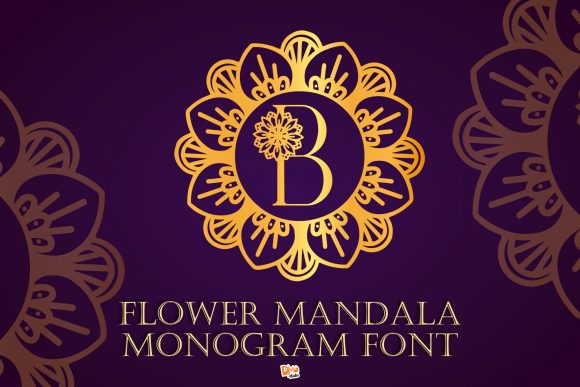
Before you start selling products with Flower Mold, take a moment to check what’s included in your purchase. Many decorative fonts come with multiple styles, alternates, ligatures, and swash characters. These extras are what give your designs that premium feel. If you’re creating a monogram, those extra letters can make the difference between a generic look and a custom one. Also note the file formats—usually OTF, TTF, or WOFF. For print and cut, OTF is usually the best choice, while WOFF works for digital graphics or social media previews.
Licensing is another essential step. If you sell physical products like candles, mugs, t-shirts, or soap, make sure the font’s commercial license covers merchandise reproduction. For digital downloads, such as editable invitation templates or printable wall art, some fonts require an extended license. Always read the terms carefully. It protects your business and the type designer’s work. Flower Mold’s standard license typically covers personal and small commercial use, but confirm the specifics for your shop’s volume and distribution.
Font Pairing Ideas for Brand Consistency
Using Flower Mold as your brand’s decorative anchor creates instant recognition. Pair it with a clean sans-serif for a modern feel, or a thin serif for a vintage touch. I like to use the sans-serif for website headers and social media graphics, then switch to Flower Mold for signature elements like the logo wordmark or product tag. The contrast between the two typefaces keeps your brand identity cohesive without being monotonous. For invitations, a soft handwritten font works beautifully alongside Flower Mold—something with a natural bounce that echoes the floral curves without competing.
When you’re designing mockups for your Etsy listings or website, use the same pairing to show customers how the font can work in their own projects. A simple mockup of a candle label with Flower Mold for the name and a neutral sans-serif for the scent description tells a whole story about quality and care. That emotional connection is what makes a customer click “add to cart.”
Flower Mold has become a staple in my craft room. It appears on soap labels, gift tags, wedding signage, and even a few tote bags I printed for a local market. Every time I use it, I remember that first candle label—and how the right typeface made my handmade work feel finished, polished, and full of personality. For any crafter, seller, or designer looking to add a touch of botanical elegance to their products, this decorative typeface is a beautiful choice.